Charleston's Tourism Plan Must Put Locals at the Center
A shortened version of the below ran as a Letter to the Editor in The Post and Courier on Sunday, July 5, 2026.
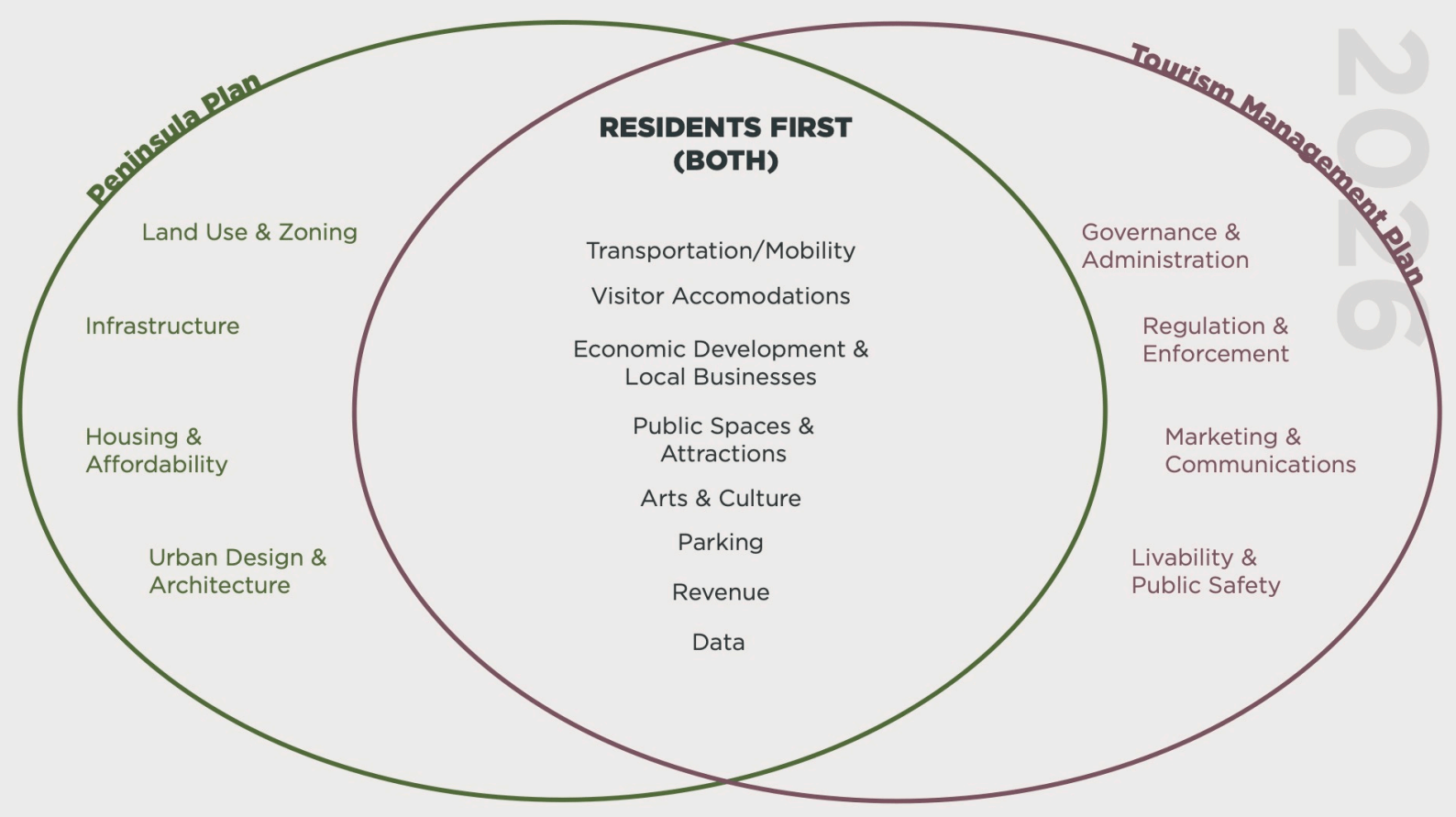
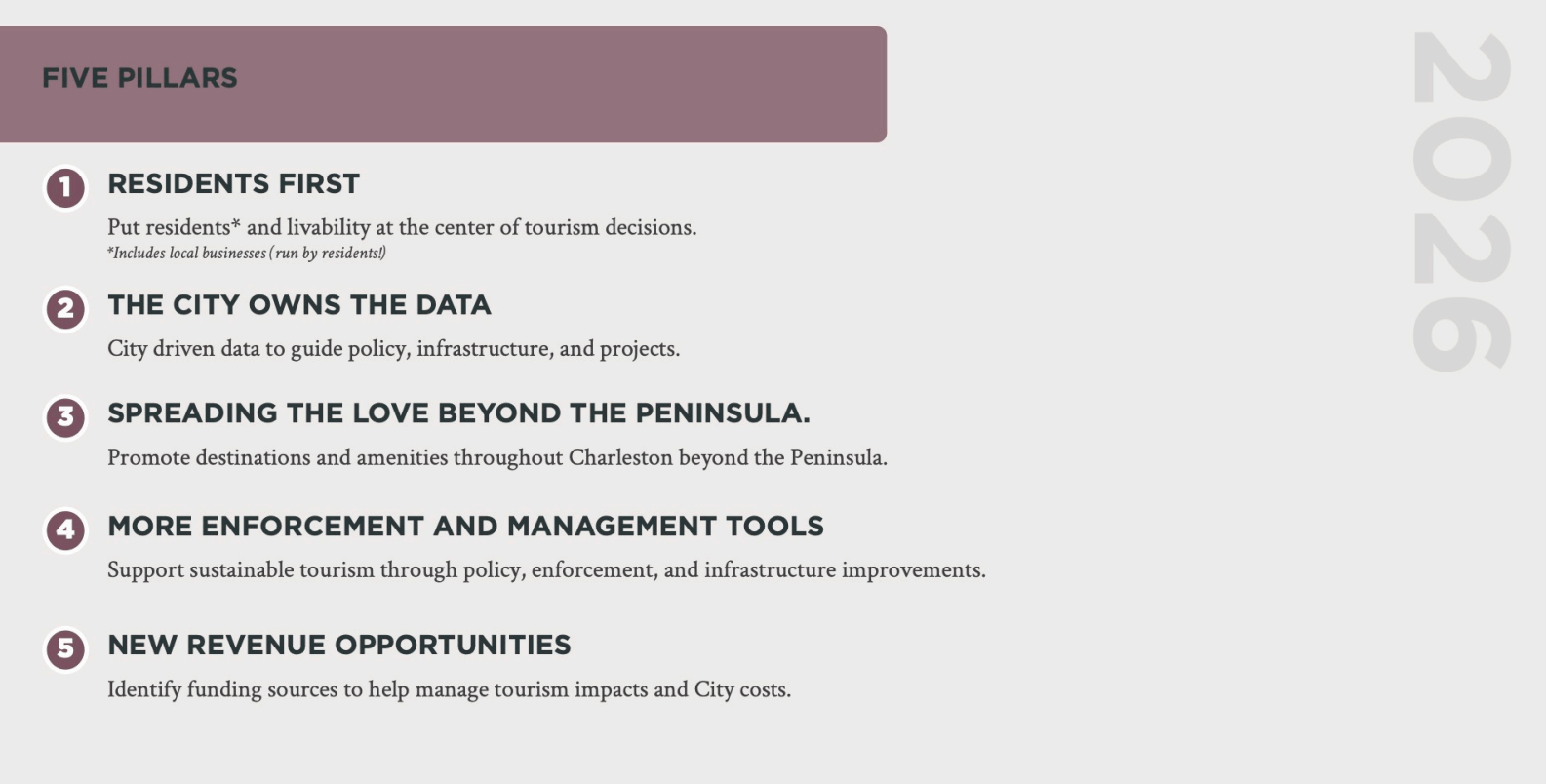
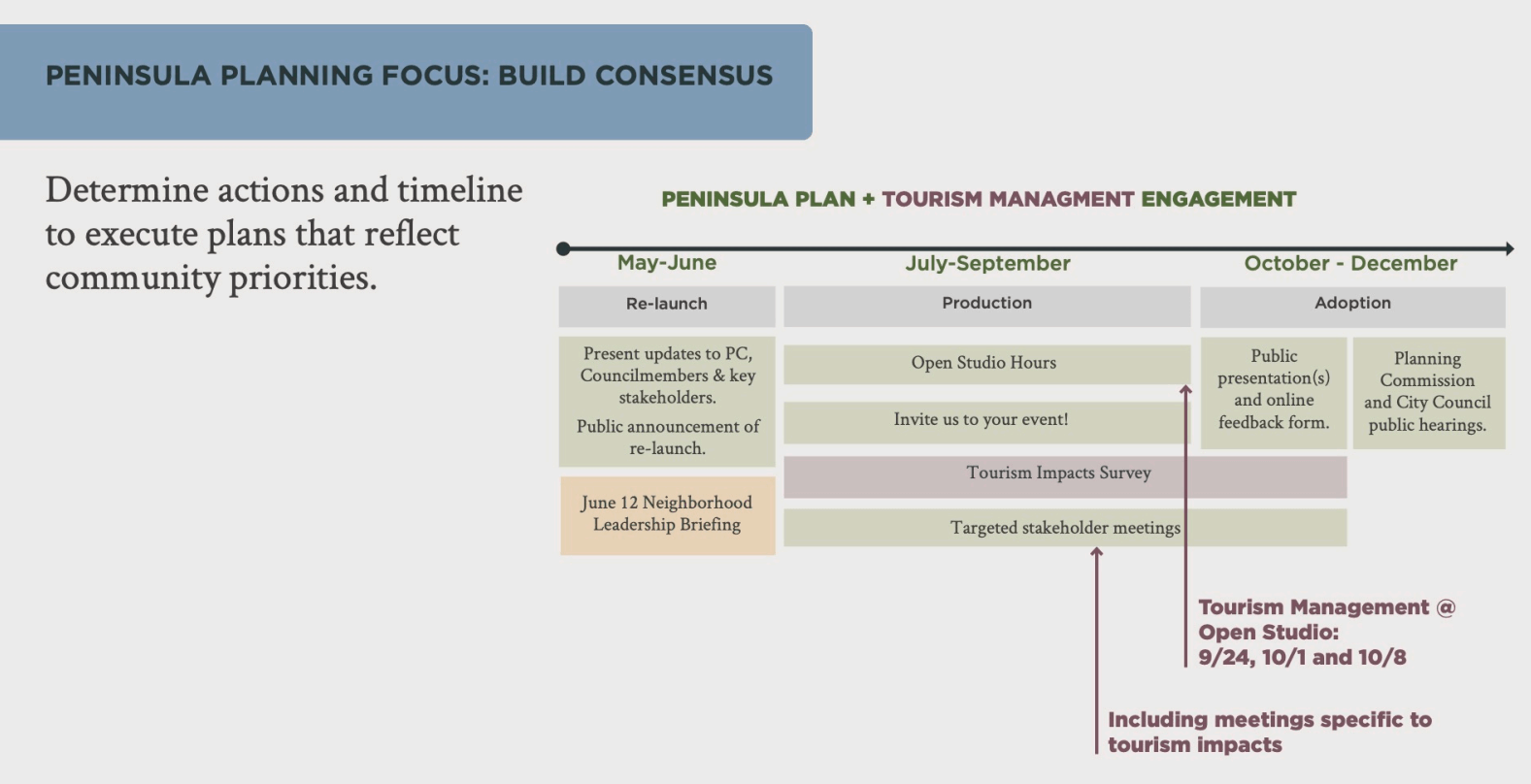
Charleston is embarking on an important rewrite of its tourism management plan (in tandem with the related Peninsula Plan) for the first time in many years. We applaud city leaders for recognizing that tourism's impacts and opportunities have evolved dramatically. We are especially encouraged to see residents and local businesses identified as key priorities in the launch of this planning process.
But priorities only matter if they are reflected in policy.
As conversations around the future of tourism take shape, a concerning contradiction is emerging. On one hand, the City is signaling a desire to support local residents, preserve community character, and strengthen small businesses. On the other, there is a growing emphasis on attracting "higher-value" visitors, or tourists who spend more money per day during their stay.
At first glance, that may sound like a sensible goal. More spending from fewer visitors could, in theory, reduce strain on infrastructure while increasing economic benefits.
But without clear guardrails and intentional policies, pursuing higher-spending visitors often reshapes a destination's economy to serve them.
As visitor spending expectations rise, commercial rents rise alongside them. Retail spaces increasingly favor national, luxury brands over local businesses. Restaurants cater to affluent visitors rather than neighborhood residents. Hotels expand while community-serving businesses disappear. Over time, the economic ecosystem shifts toward serving those with the greatest purchasing power, not the people who live here.
Charleston is already experiencing these pressures.
For years, rising housing costs have pushed working families farther from the peninsula. Teachers, hospitality workers, nonprofit professionals, artists, entrepreneurs, and young families increasingly find themselves unable to afford living in the very neighborhoods they help sustain. I'm one of the displaced residents who lived on the peninsula for more than a decade (2008 - 2020) before realizing I could no longer afford to raise a family there.
Now, even as the City pursues additional affordable housing initiatives, we must ask an important question:
Affordable for whom? And if residents can afford to live on the peninsula but not participate in the peninsula's economy, have we truly created a livable community? Or have we just created more traffic as those residents have to travel off-peninsula to find the services and goods they need?
Housing affordability cannot be separated from commercial affordability. A city where residents can sleep but cannot shop, dine, gather, create, or build businesses is not a complete community. It is a destination.
The math simply does not add up if our tourism strategy is designed around wealthier visitors while our community goals are designed around broader accessibility and inclusion.
Charleston's greatest asset has never been luxury accommodations or high-end retail. It has been its authenticity. Visitors come here because Charleston feels like a real place with a unique culture, distinct neighborhoods, local businesses, creatives, historic communities, meaningful experiences, and residents who give the city its character. When those elements are displaced, the tourism product itself begins to erode.
In other words, supporting residents and small businesses is not separate from tourism management. It is tourism management.
A successful tourism strategy should not measure success solely by visitor spending. It should measure whether or not tourism strengthens the community that makes Charleston worth visiting in the first place.
As the City develops its new plan, we encourage leaders to move beyond broad statements about supporting residents and small businesses and commit to measurable actions that align those goals with tourism policy.
That might include:
- Measure resident outcomes alongside visitor outcomes.
Track indicators such as resident satisfaction, locally-owned business retention, commercial leasing rates and turnover, workforce housing accessibility, and the diversity of businesses operating downtown. If tourism is working, residents should feel the benefits, not just see visitor spending statistics.
- Protect and grow locally-owned businesses.
Create incentives, grants, technical assistance programs internally and through strategic partnerships, and commercial affordability strategies that help locally owned businesses remain competitive in tourism-heavy districts. A thriving local business ecosystem should be treated as critical infrastructure.
- Protect a diverse local business ecosystem.
The City should adopt policies that preserve a healthy mix of resident-serving businesses, local retailers, cultural spaces, and neighborhood restaurants within tourism-heavy corridors. Tools such as commercial diversity standards, formula retail review, affordable commercial space incentives, and tourism impact assessments can help ensure downtown Charleston remains a place where residents can live, work, shop, and gather - not simply a destination designed for visitors.
- Align tourism growth with housing and transportation realities.
Evaluate tourism-related development through the lens of workforce impacts. If employees cannot reasonably afford to live near where they work, the costs of tourism are simply being shifted elsewhere.
- Shift the definition of "higher-value tourism".
If the goal is quality over quantity, the focus should be on visitors who engage respectfully with local culture, support locally-owned businesses, and contribute positively to the community, not simply those with the highest spending power and appetite for luxury goods and experiences.
- Integrate agritourism focus into tourist dispersal strategy.
Integrating agritourism into Charleston's tourism management plan would help disperse visitor traffic away from the congested historic downtown core and toward surrounding rural and suburban areas, easing pressure on infrastructure, parking, and quality of life for residents in the peninsula's most heavily trafficked neighborhoods. Directing tourists to farms and agricultural operations in the Lowcountry would also extend the average length of stay and create new revenue streams for local farmers and rural communities that currently see little benefit from the city's massive tourism economy. Finally, agritourism aligns with growing visitor demand for authentic, experiential travel, allowing Charleston to diversify its tourism product beyond historic architecture and food/beverage tourism while promoting land conservation and support for local agriculture. Begin by making improvements to the zoning code that motivate more agritourism land-use purposes, and provide a grant program to help small farms ready themselves for visitor traffic and programming.
Charleston has an opportunity to become a national model for tourism management. But that will require resisting the false choice between economic success and community well-being.
The strongest tourism economy is one built on a strong community. What if instead of chasing "Best Place to Visit" awards and destination accolades, we strive to be a place known for its well-being and resident happiness. Or we strive to be a community where entrepreneurs flock because it has built up a reputation for investing progressively in its homegrown businesses' success.
If we truly want residents and local businesses at the center of Charleston's future, they cannot simply be mentioned in the next plan. They must be the framework through which every decision is evaluated.
Want to join this conversation and learn more?
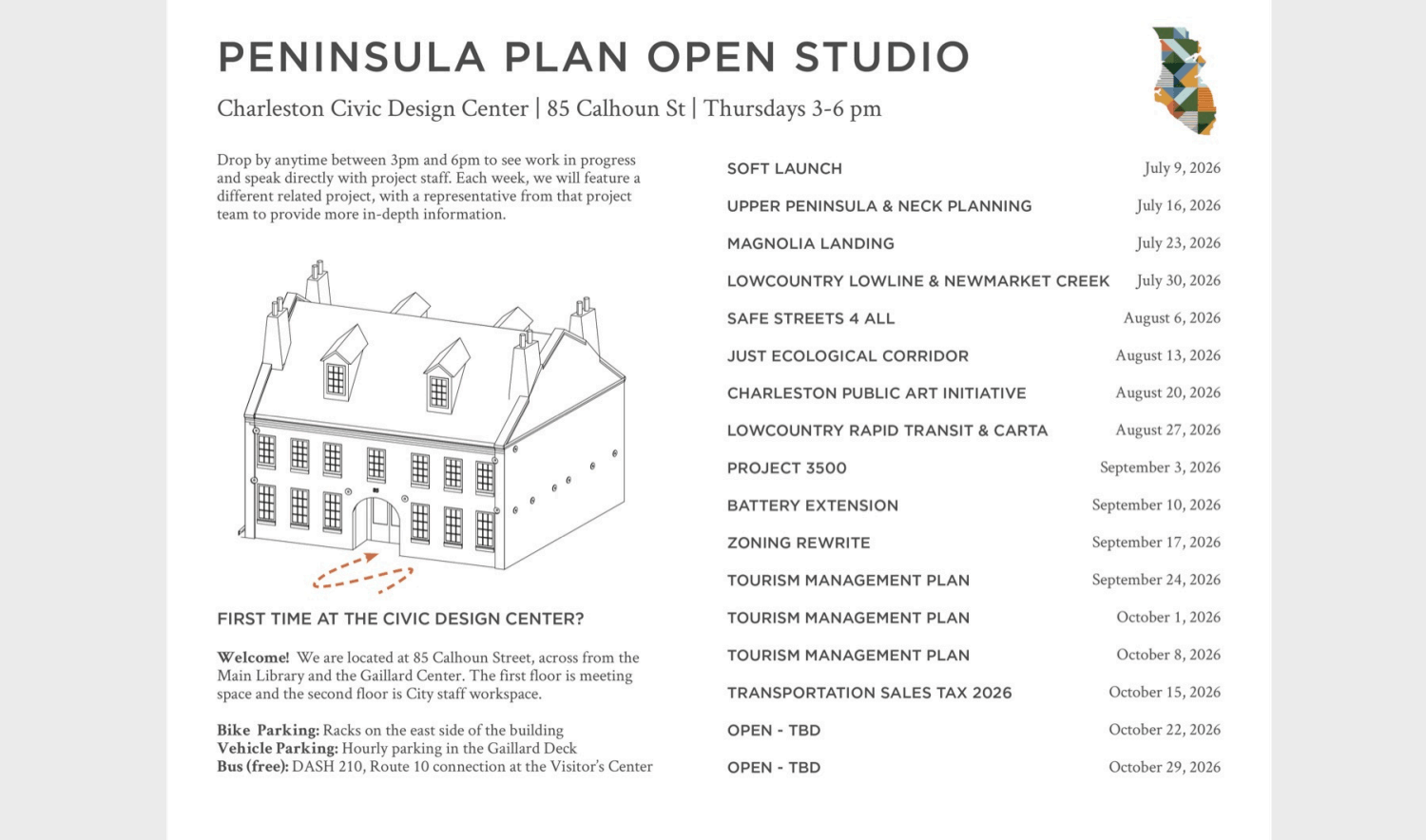
Save the date and plan to join us Friday, September 4, 8-9 a.m. in Local Works Coworking Space (1859 Summerville Ave, Ste 800, Charleston SC) and engage with the City of Charleston team who will be managing these planning processes through the summer and into the fall. This session will be geared specifically for local business owners and leaders. Registration will go live by late July.
Learn more about these plans: